In today’s fast-paced digital world, staying connected is more important than ever, and eSIM technology is poised to revolutionize how we access mobile networks. As we explore the ins and outs of eSIM technology, you will discover how it differs from traditional SIM cards and the incredible flexibility it offers users. eSIM, or embedded SIM, eliminates the need for physical SIM cards, allowing for seamless switching between carriers and plans without the hassle of swapping out cards. Whether you're a frequent traveler or just looking for greater convenience, understanding eSIM technology is key to unlocking its advantages.
The benefits of eSIM technology go beyond mere convenience; they also include enhanced security, reduced waste, and improved device design. By removing the traditional SIM card slot, devices can become slimmer and more compact, which enhances performance and design. In this comprehensive guide, we'll delve into the standout features of eSIM, shedding light on its immense potential for consumers and businesses alike. Join us as we examine why now is the time to consider making the switch and how you can take full advantage of this cutting-edge technology.
Exploring the ins and outs of eSIM technology: What you need to know
eSIM technology, or embedded SIM technology, is revolutionizing the way we connect to mobile networks. Unlike traditional SIM cards, which are physical components that you insert into your device, eSIMs are built directly into the devices. This digital solution streamlines connectivity by allowing users to switch between carriers and plans without the need for a physical card swap. With more devices supporting eSIMs, including smartphones, tablets, and wearables, understanding this technology is essential for consumers looking to optimize their mobile experience.
As you explore the ins and outs of eSIM technology, you'll discover its implications for flexibility and convenience. Users can store multiple carrier profiles on a single eSIM, making it incredibly easy to switch services based on their needs or travel requirements. This flexibility eliminates the hassle of managing multiple physical SIM cards. Additionally, eSIMs can enhance security by reducing the risk of losing or damaging a SIM card, while also streamlining the activation process. By understanding these basic aspects of eSIM technology, you can make more informed decisions about embracing this advancement in mobile connectivity.
The benefits of eSIM technology: Why you should consider the switch
eSIM technology offers a range of compelling benefits that can enhance your mobile experience. First and foremost, it simplifies the process of switching carriers. With traditional SIM cards, you often need to physically swap out the SIM to change networks, which can be inconvenient and time-consuming. eSIM allows you to switch carriers with just a few taps on your device, eliminating the need for a physical card and making it easier than ever to find the best plan for your needs. This flexibility is particularly advantageous for frequent travelers, who can avoid hefty roaming charges by easily connecting to local networks.
In addition to convenience, eSIM technology contributes to a more eco-friendly approach to mobile connectivity. Traditional SIM cards are made from plastic, leading to waste as they are discarded when no longer in use. By adopting eSIM, which is embedded directly into your device, you reduce plastic waste and support a more sustainable technology ecosystem. Moreover, eSIM can store multiple profiles, enabling users to manage personal and corporate plans on the same device seamlessly. This innovative technology not only streamlines mobile usage but also aligns with growing environmental consciousness, making it a forward-thinking choice for consumers.
Unlocking the potential of eSIM: A deep dive into its features and advantages
eSIM technology revolutionizes the way we connect to mobile networks. Unlike traditional SIM cards, which require physical insertion into a device, eSIMs are embedded directly into the hardware. This advancement eliminates the need for swapping SIMs when changing carriers or switching plans, making the process seamless and user-friendly. With eSIMs, users can activate multiple profiles on a single device, allowing for easy management of personal and business lines or even international plans without carrying multiple physical SIM cards. This flexibility is especially beneficial for frequent travelers or those who like to experiment with different network options.
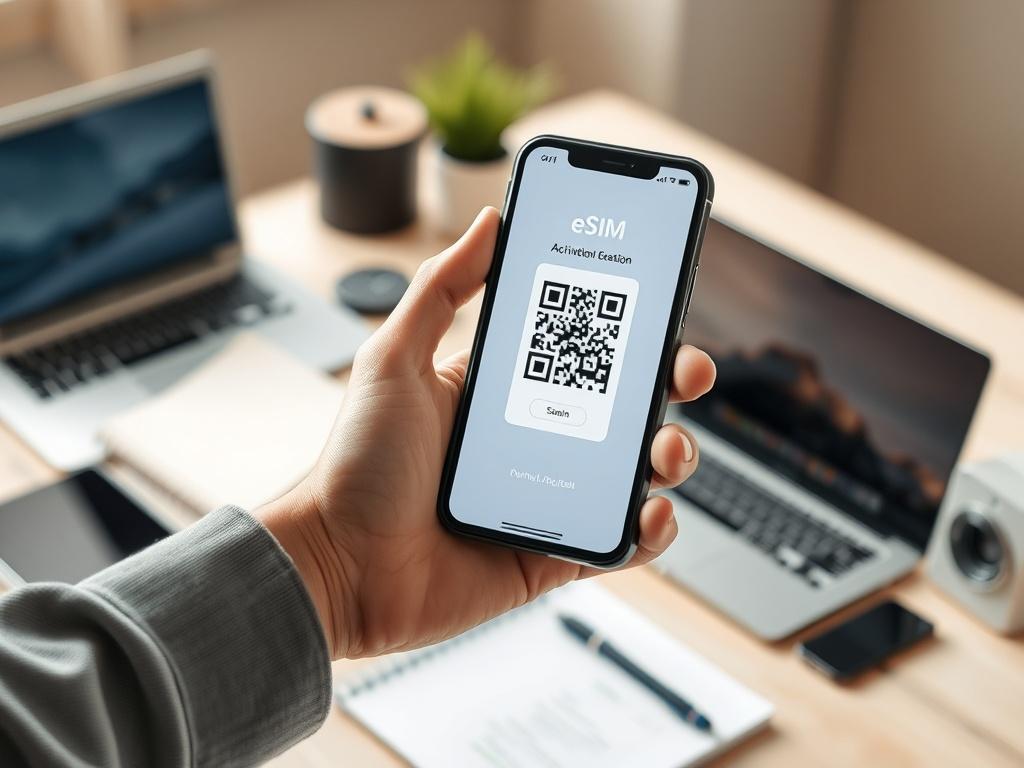
Beyond convenience, eSIM technology enhances connectivity in a way traditional SIMs cannot. Devices equipped with eSIM can connect to the network of their choice at a touch of a button through their settings, which usually requires a simple QR code scan provided by the carrier. This capability not only streamlines the setup process but also offers users the advantage of switching carriers without delay. Furthermore, eSIMs are more secure than traditional SIM cards, with built-in protection against physical tampering. As the world increasingly embraces the Internet of Things (IoT), eSIM technology will play a crucial role in enabling a wide range of devices—everything from wearables to smart home appliances—to connect reliably and efficiently to mobile networks.